tuition fee
750 EUR/month
June–September
38 EUR/day
Payment is made in monthly installments at the beginning of each month or for the full academic year, 10 months, from June to September.


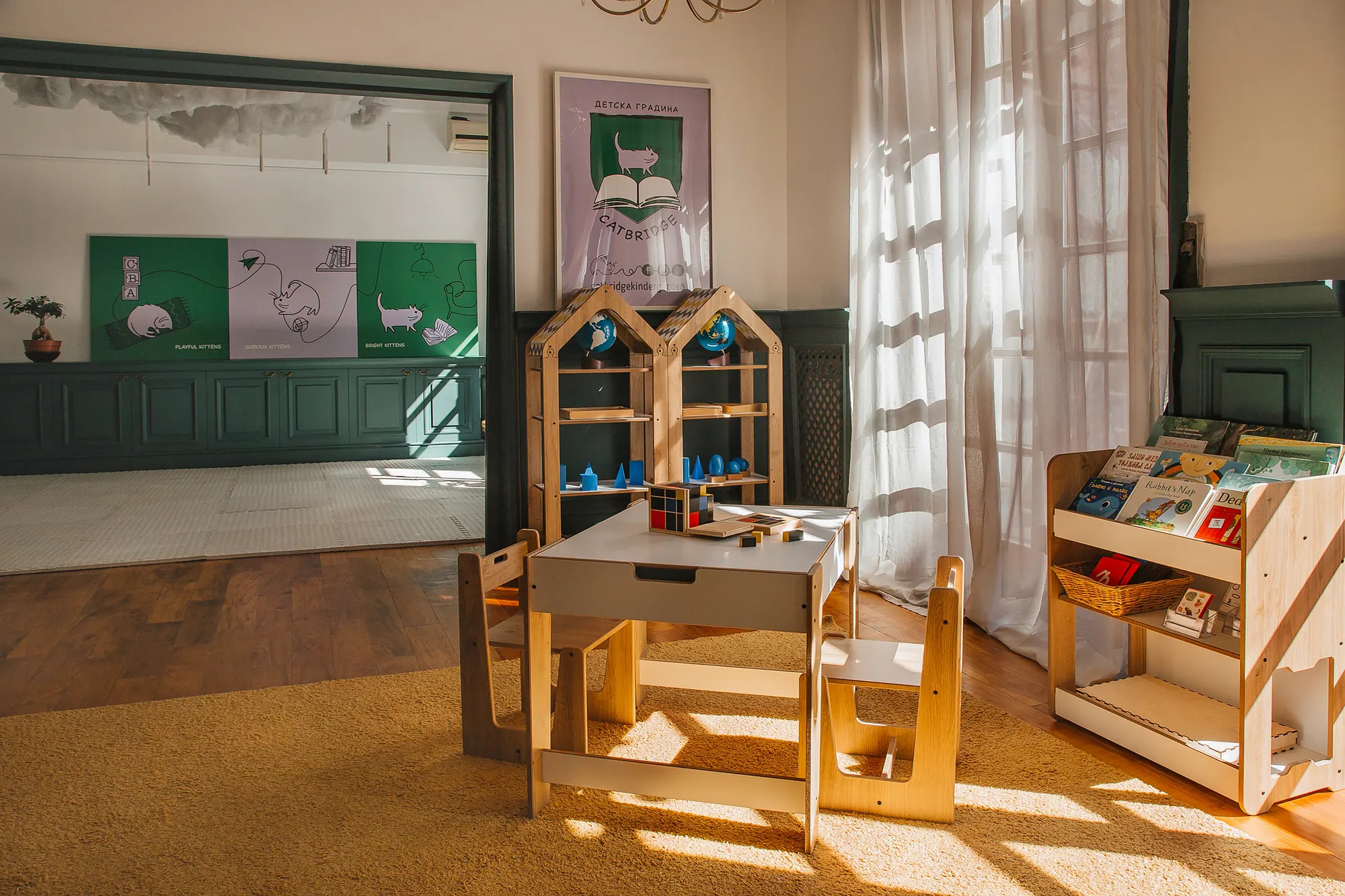
CATBRIDGE Private Kindergarten
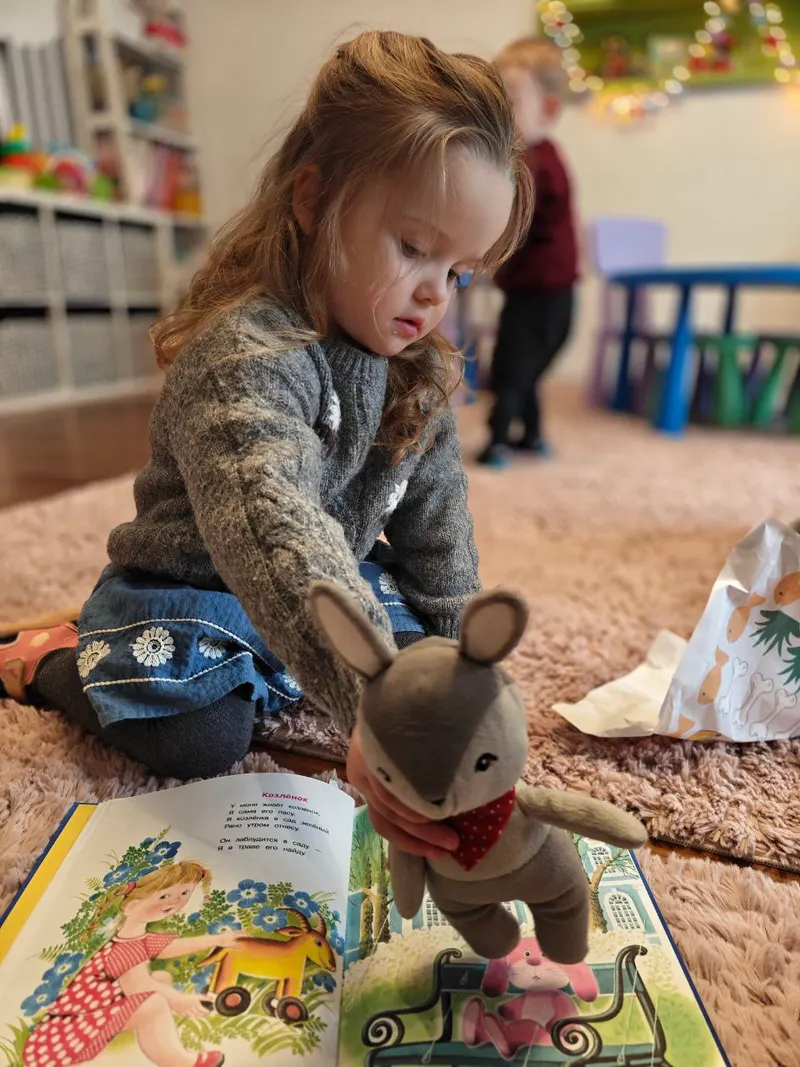
CATBRIDGE is a bilingual kindergarten in the heart of Sofia, with a signature educational program that combines the recognized principles of Montessori pedagogy, the requirements of Bulgaria’s official education system, and a rich variety of educational, creative, language, and sports activities that nurture each child’s talents, interests, and unique personality.
We know that children learn best when they are supported to explore the world at their own pace, developing independence, critical thinking, and creativity in an environment where natural curiosity leads to lasting knowledge.
That is the kind of environment CATBRIDGE offers — supportive and inspiring, filled with warmth, attention, and care for every child. It is a place where respect, independence, and deep trust in a child’s natural desire to learn are at the heart of every day.
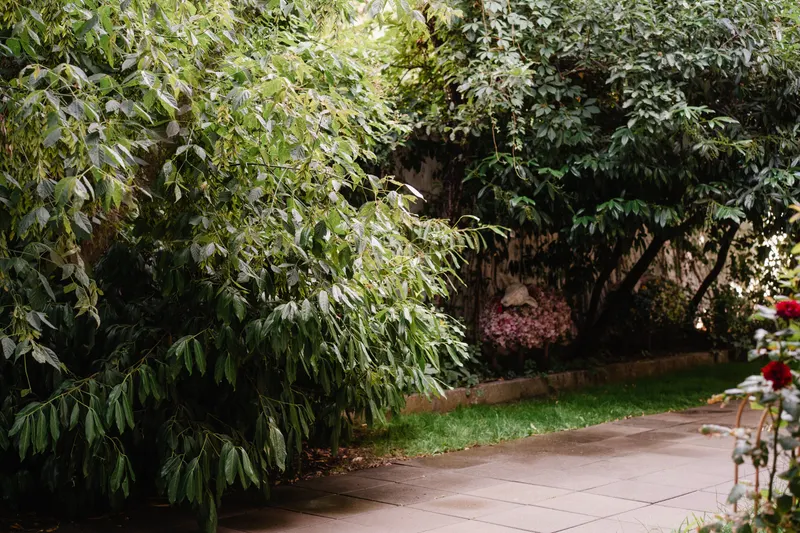
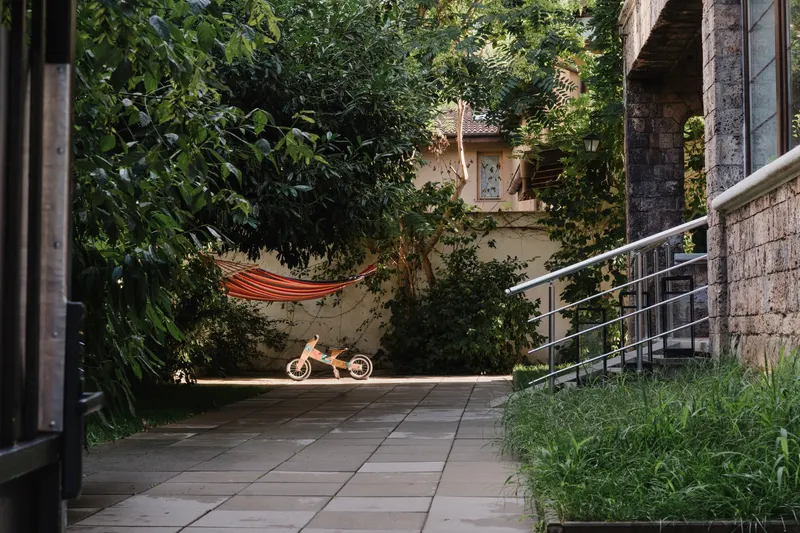
Located in a beautiful house with its own yard and more than a century of history, CATBRIDGE is a true house of children — a place filled with laughter, play, friendships, and unforgettable childhood memories.
We believe everything begins in kindergarten, and we are dedicated to early childhood development. Our mission is to rediscover, together with every child and every family, the way children learn, play, and create. To grow together.
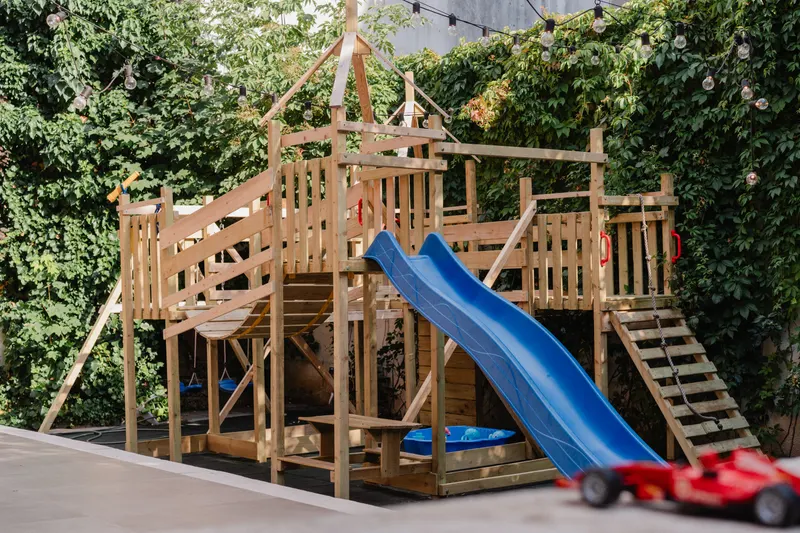
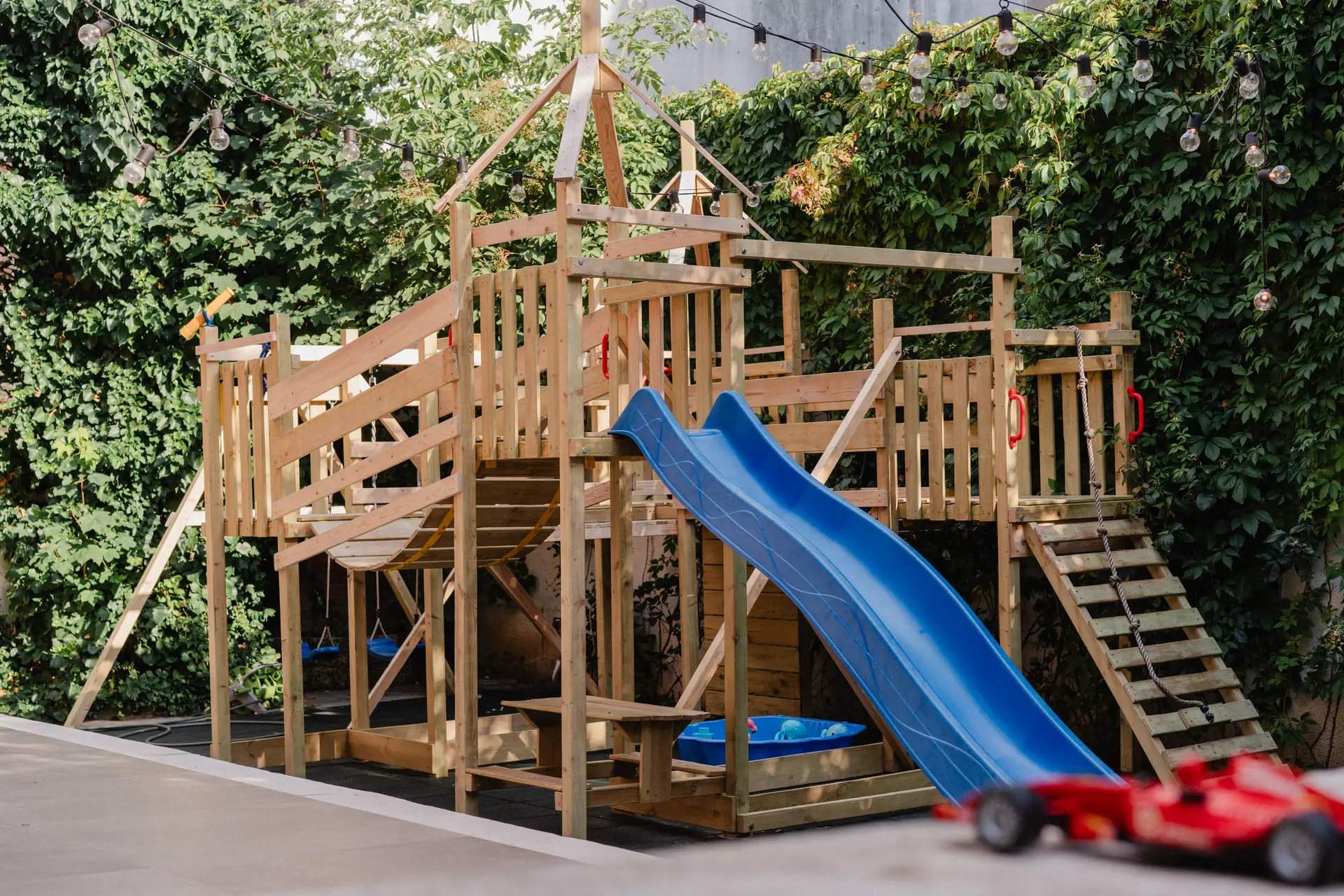
A historic house in the heart of Sofia, with every convenience and a quiet yard with a playground.
We work with 3 small groups of up to 12 children each, with two teachers and one assistant in every group.
A team dedicated to early childhood development, with experience working with preschool-aged children.
Every day, our chef prepares lunch and two snacks on site, following a menu tailored to each age group.
Not all children need an afternoon nap, so we also have a program for those who stay awake.
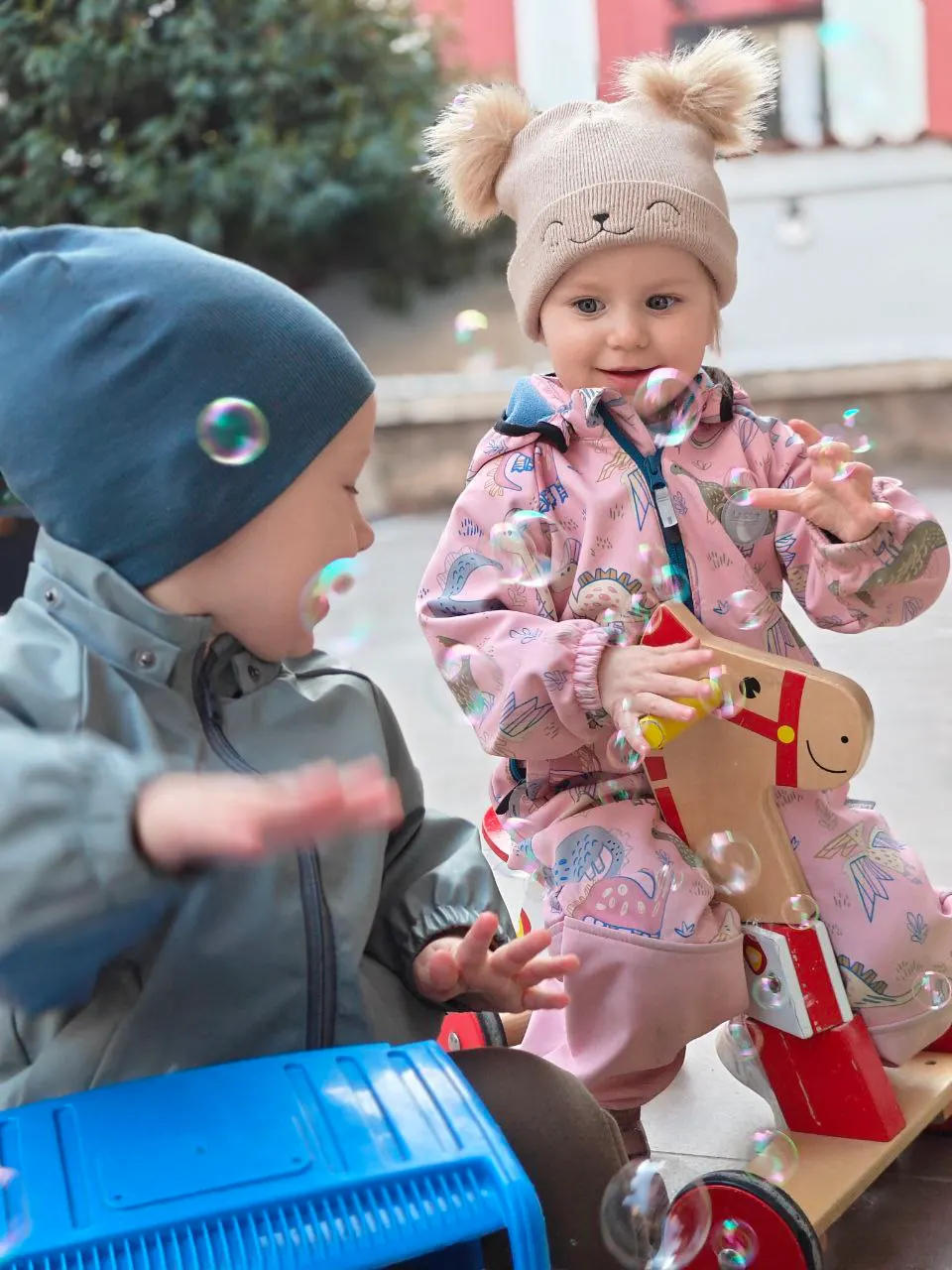
Every day we go outside once or twice — to the playground in our yard or to the nearby parks.
We make the most of our proximity to museums, galleries, and all interesting places we can visit.
We offer intensive English learning, extra Jolly Phonic lessons and additional Italian language activities.
With the “Peggy and Mozzy” books, we introduce the youngest children to the world of financial literacy.
We organize swimming sessions at the Son Stefano Plaza pool, as well as sports and dance activities on site.
We offer additional classes in music and english class with drawing and applied arts with a lot of play.
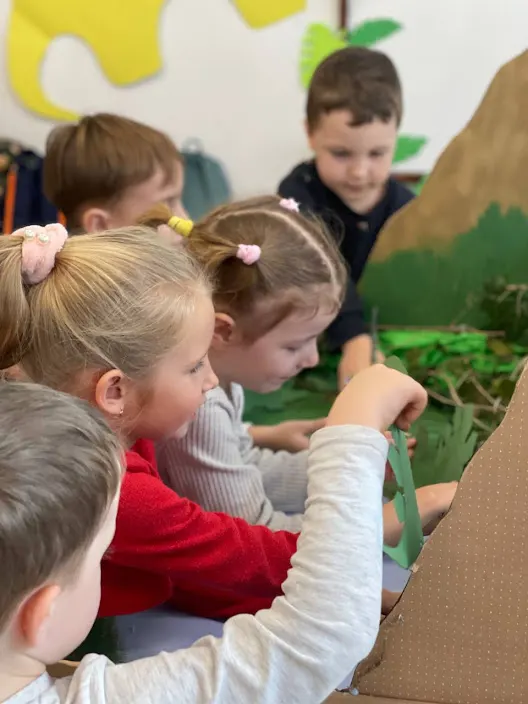
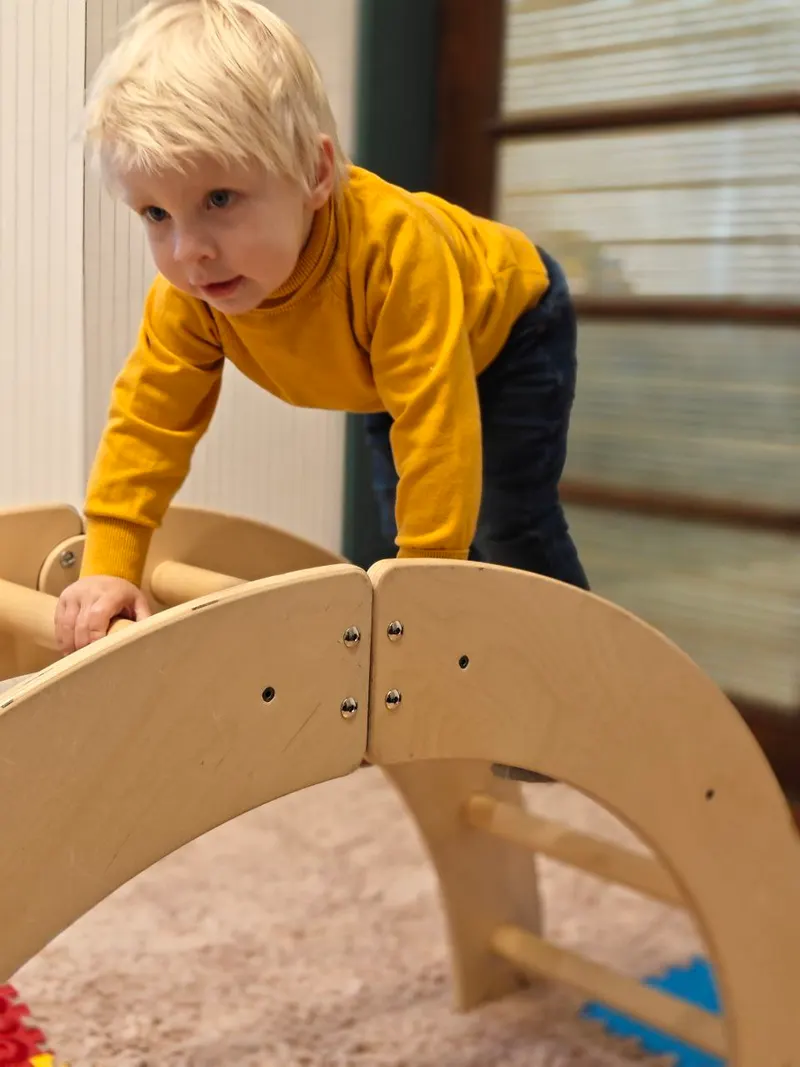
MOLIVKO is CATBRIDGE’s chosen model for preschool education, designed for the child’s holistic development — intellectual, emotional, social, and physical. The system is tailored to children’s age-specific needs and applies a playful, interactive, and practice-oriented approach to learning, encouraging the development of key skills such as logical thinking, language development, creativity, teamwork, and independence.
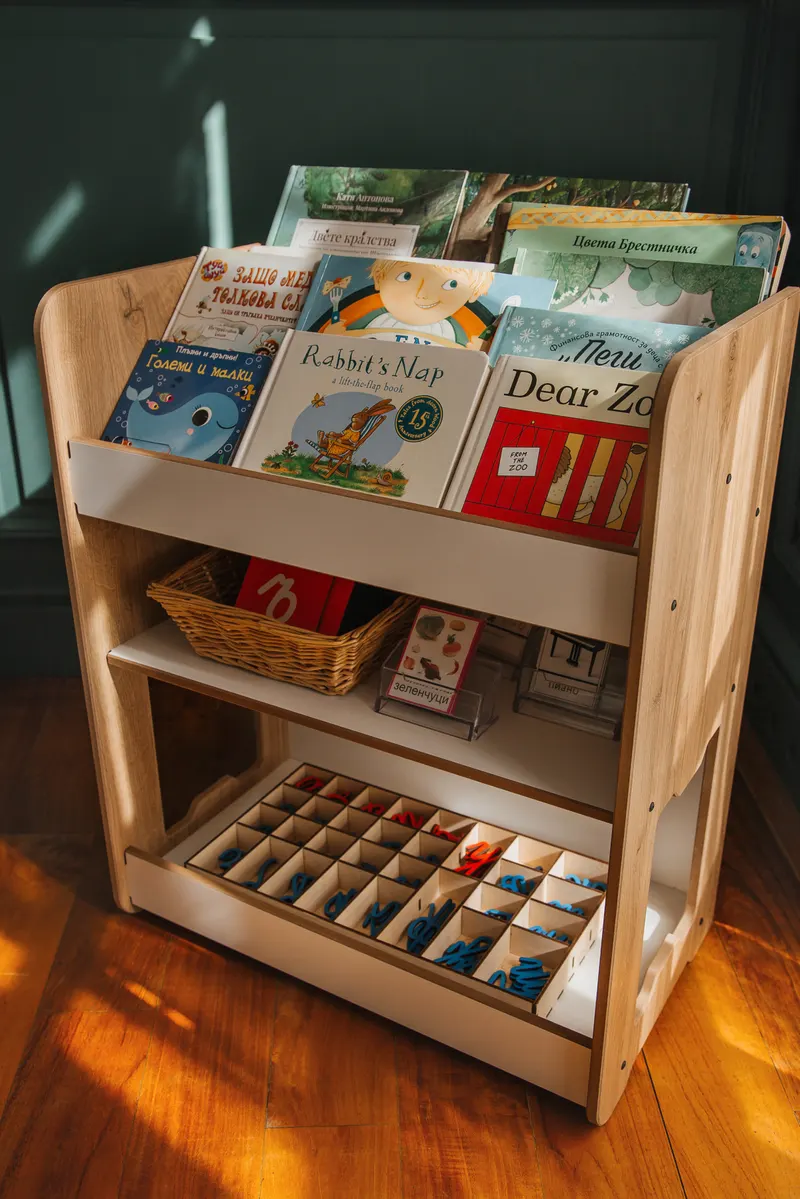
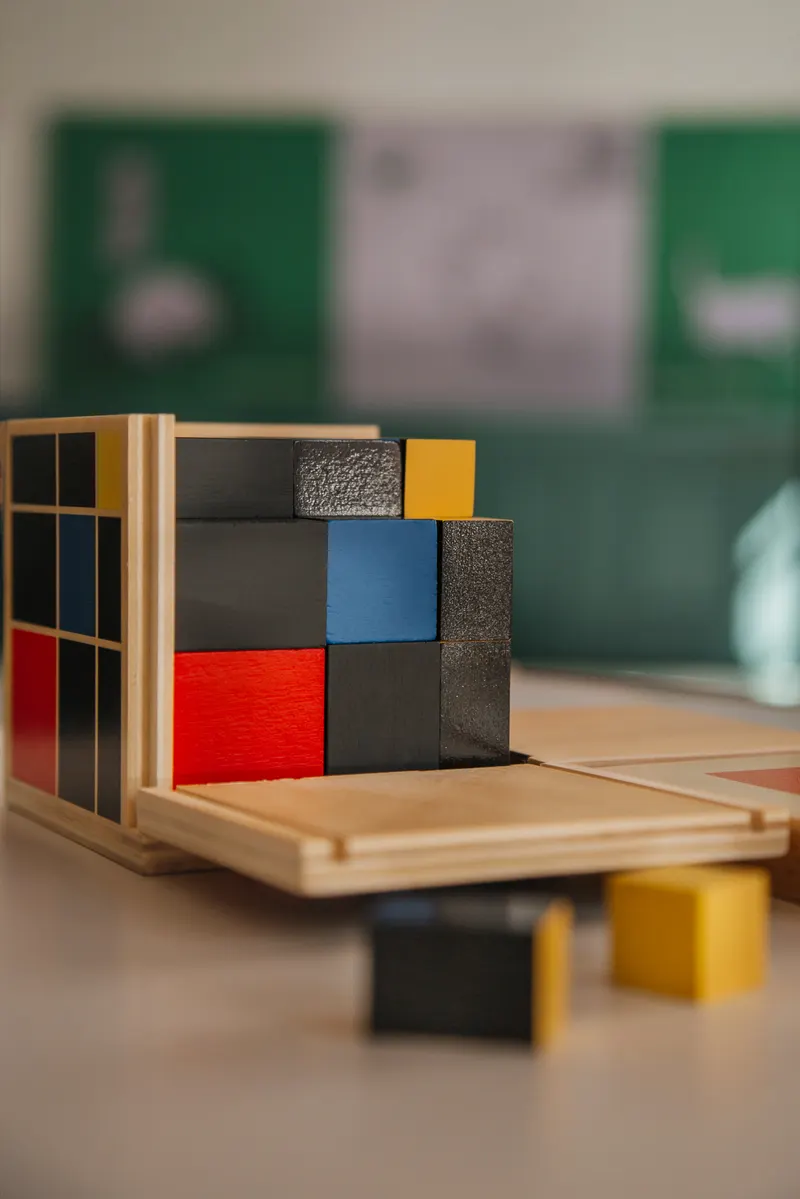
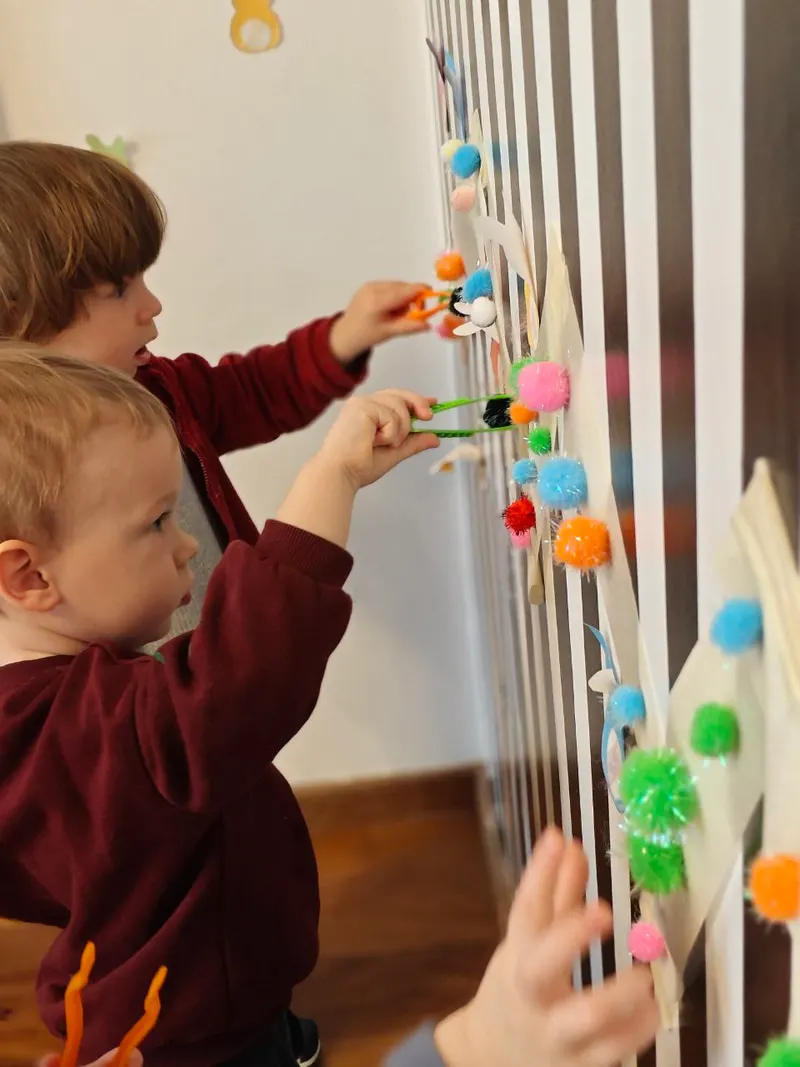
Montessori is an educational approach that CATBRIDGE highly values and actively uses. The method places the child at the center of the learning process and encourages independence, curiosity, and a natural desire to learn, combining freedom of choice with clear structure and a prepared environment. In the Montessori environment at CATBRIDGE, children work with specially selected didactic materials that develop fine motor skills, logical thinking, practical abilities, and concentration.
Jolly Phonics English is an internationally recognized early literacy program in English, designed for children of preschool and early primary school age. It is based on synthetic phonics, through which children learn the sounds of the English language and how to blend them in order to read and write words. The learning process is playful and interactive, incorporating songs, movements, pictures, and short stories that help children remember sounds in an easy and enjoyable way. Our teachers are trained in the Jolly Phonics system, and we have all the necessary materials for the program.
Learning through stories. Growing through experience.
Catbridge is the first kindergarten with a dedicated program created to introduce the youngest children to the world of finance. Financial Literacy with “Peggy and Mozzy” is an original program by Mladen Zapryanov, author of the books about the two squirrels, whose entertaining stories make complex financial and business concepts accessible to children.
“Peggy and Mozzy” is an educational series created to help children develop important life skills through engaging stories, memorable characters, and meaningful adventures. Instead of presenting financial literacy as abstract theory, the series encourages children to discover valuable ideas and solutions on their own in a natural and engaging way. In this way, learning becomes a joyful experience that stays with the child.
The program includes 40 educational sessions, held once a week and lasting 35 minutes each. Every session combines literature, play-based methods, practical tasks, discussions, and creative activities, turning learning into an active and inspiring experience. By combining the books, animated films, and curriculum, “Peggy and Mozzy” offers a comprehensive and consistent approach to building knowledge, skills, and values.
Because the most valuable life lessons begin with a good story.
Culinary workshops are the time when food becomes truly fun — we taste different products, learn interesting facts about the benefits of fruits and vegetables, healthy habits, and what should be on our plate so we can grow healthy, strong, and smart. The workshops are led by Chef Elias, who prepares the children’s daily menu, and take place once a week during afternoon snack time — the children actively take part in preparing part of the recipe and then enjoy what they have made.
Children have millions of questions about the living world, and adults often do not have the time or the answers. Bio Games answers all those questions by creating amazing and unique new adventures for explorers, curious minds, observers, know-it-alls, and all kinds of young discoverers. The program is specially designed for kindergartens with little explorers aged 3 to 6. Children take part in experiments, games, and kitchen-based activities they can taste and create. The themed experiences are structured in a specific sequence of age-appropriate activities. They include games, creative and logical tasks, teamwork, and follow a storyline so that children become part of a real adventure. The games are simple enough not to overwhelm children, yet challenging enough to hold their lasting interest. With the support of the team — qualified biologists, educators, and professional actors — children get to know and love nature and people as part of it.
The “Science, Experiments and Creativity” program was developed by Bio Games.
English through art, play, and movement
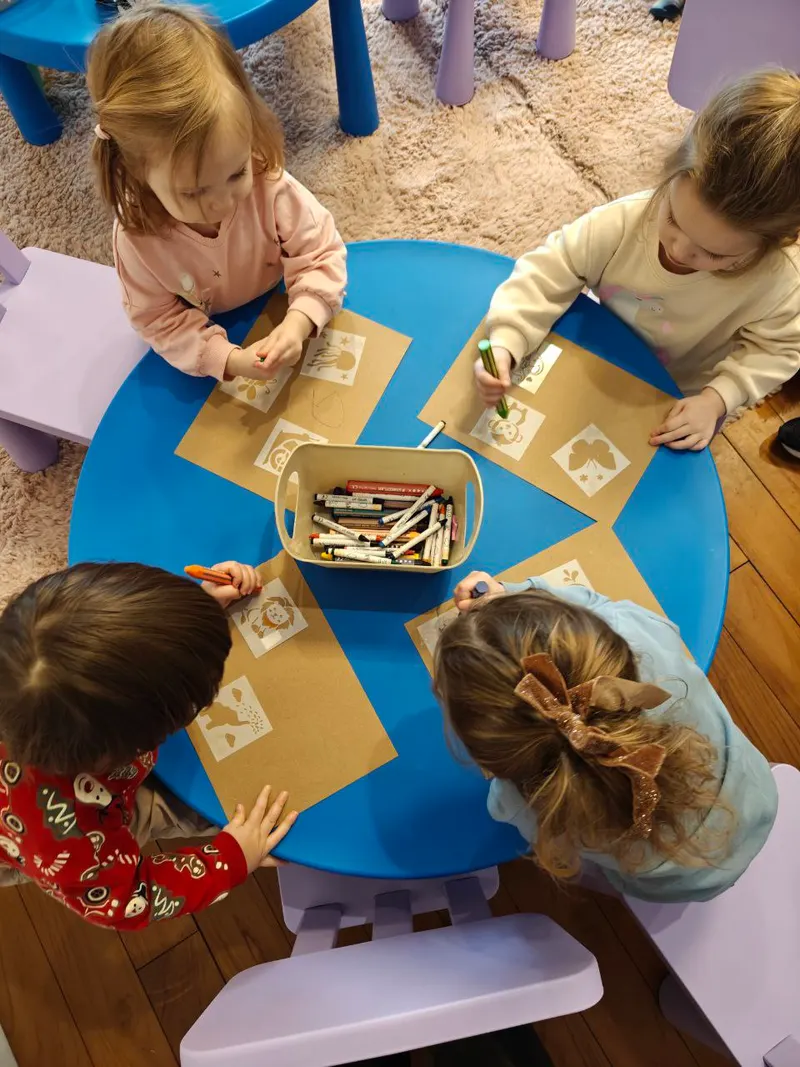
This English class is created especially for children who learn most naturally — through play, creativity, and experience. In a warm and supportive environment, children immerse themselves in English through music, dance, role play, drawing, movement, and a variety of artistic activities.
Instead of traditional learning through drills and memorization, children communicate, create, and explore the world in English in a fun and lively way. Through songs, rhythm, stories, and creative projects, they gradually build confidence, an ear for the language, and the desire to express themselves freely.
In class we develop:
basic listening and speaking skills in English;
imagination and creative thinking;
coordination, rhythm, and physical awareness;
social skills and group work;
confidence and joy in learning.
The approach is playful, emotionally engaging, and age-appropriate. Our main goal is for English to be associated with enjoyment, curiosity, and free self-expression.
Linda Aleksandriyska is an English teacher, photographer, and artist. She taught English in a private school, where through suggestopedia she discovered a direct and engaging way to draw children into the learning process. She graduated in English Philology with a pedagogical profile from Sofia University “St. Kliment Ohridski.”
First encounters with the piano and classical music
“Music Explorers” is a music class for the youngest children, introducing them to the beautiful world of music through the piano, singing, stories, and creative games. In a cozy and calm environment, children discover that music tells stories, creates emotions, and awakens imagination.
Each session is dedicated to a different musical theme. Children listen to short classical pieces, get to know various musical instruments, sing favorite children’s songs, and learn fascinating stories about great composers, presented in an accessible and engaging way.
The piano is the natural center of the classes — an instrument that brings stories to life, accompanies songs, and invites children to make their first musical discoveries.
Some of the songs and games are conducted in English and Italian, giving children the opportunity to encounter foreign languages in a natural and relaxed way.
In class we develop:
• musical ear and active listening skills;
• love for music and interest in different musical instruments;
• language development through songs in Bulgarian, English, and Italian;
• imagination, memory, and creative thinking;
• attention, curiosity, and concentration;
• confidence and the ability to express oneself through music.
The program is fully tailored to the children’s age and turns the first encounter with classical music into a true adventure. Through stories, images, songs, and the live sound of the piano, children build a natural connection with music and discover that it can be at once play, art, and a means of communication.
About the teacher
Vladislava Boshnakova-Spahi holds a Bachelor’s degree in Classical Piano from the Royal Conservatory in Antwerp, Belgium (2016), and a Master’s degree in Arts and Culture Management from Rome Business School, Rome, Italy (2017).
She has experience teaching piano and solfège in Belgium and Italy. In her work with the youngest children, she combines classical music education with a playful approach that encourages curiosity, imagination, and the joy of discovering music.
The classes can be conducted in Bulgarian, English, or Italian, combining early musical development with natural exposure to foreign languages.
The World of Percussion Instruments
This music class introduces children to the exciting world of music and rhythm through play, movement, and a variety of percussion instruments. Each session is filled with music, energy, and creativity, encouraging children to express themselves freely and joyfully.
Through diverse rhythm games, group performances, musical challenges, and playing percussion instruments, children develop their musical abilities in a natural and enjoyable way. They learn to listen, feel the pulse of music, work together, and create a shared musical result.
In class we develop:
* a sense of rhythm and musical ear;
* coordination, concentration, fine and gross motor skills;
* memory, attention, and quick reaction;
* confidence and discipline;
* teamwork, mutual respect, and social skills;
* emotional resilience through music.
Playing percussion instruments supports a child’s overall development. Coordinated movements of both hands and the body stimulate brain activity, improve concentration, and build a sense of sequence and organization. Rhythm helps children release energy in a positive way, express emotions, and build confidence in their own abilities.
The approach is fully play-based, age-appropriate, and focused on ensuring that every child participates actively, has fun, and discovers the joy of making music. Our main goal is for music to become a natural way of learning, communication, and development.
Konstantin Kurtev is a percussion teacher at the private school “St. George,” a graduate of the National Music School “L. Pipkov,” and, as of 2026, of the National Music Academy “Prof. Pancho Vladigerov,” majoring in Pop and Jazz Percussion Instruments. He has 4 years of experience working with children, numerous awards from Bulgarian and international competitions, and has performed with most of the music ensembles and orchestras in Bulgaria. He works with children and believes that rhythm is one of the most natural ways to develop musicality, concentration, coordination, and confidence from the earliest age.
Dance classes give children the opportunity to develop their motor skills in a fun and natural way. It is a wonderful start for every child, combining a variety of exercises and games to help develop proper posture, learn basic dance steps and positions, coordinate movement with music, and train the ear. The classes improve coordination, concentration, and spatial awareness while also encouraging discipline, confidence, and teamwork. In a pleasant and supportive environment, children move actively, develop a sense of rhythm, and express their individuality, turning learning into a true pleasure.
The dance classes are led by Margarita Vezenkova, who has been working as a dance teacher for 3 years, mainly in private kindergartens. She graduated from the National School of Dance Arts with a modern and classical profile, and then continued her education at New Bulgarian University, majoring in Theatre, where she spent two years actively studying dance. She was an active rhythmic gymnastics competitor for 11 years.
Movement is present in many forms in the daily life of CATBRIDGE children. Saying that movement is important would be an understatement, which is why we have created plenty of space for organized sports activities, dance, and free play. We offer a variety of activities that develop coordination, motor skills, balance, learning to dance, and teamwork. We teach children to respect their bodies, love movement, and encourage them to take part in individual and group games and sports.
We offer two additional sports activities — swimming at the Son Stefano Plaza pool and Fit Kids on site, at the kindergarten.
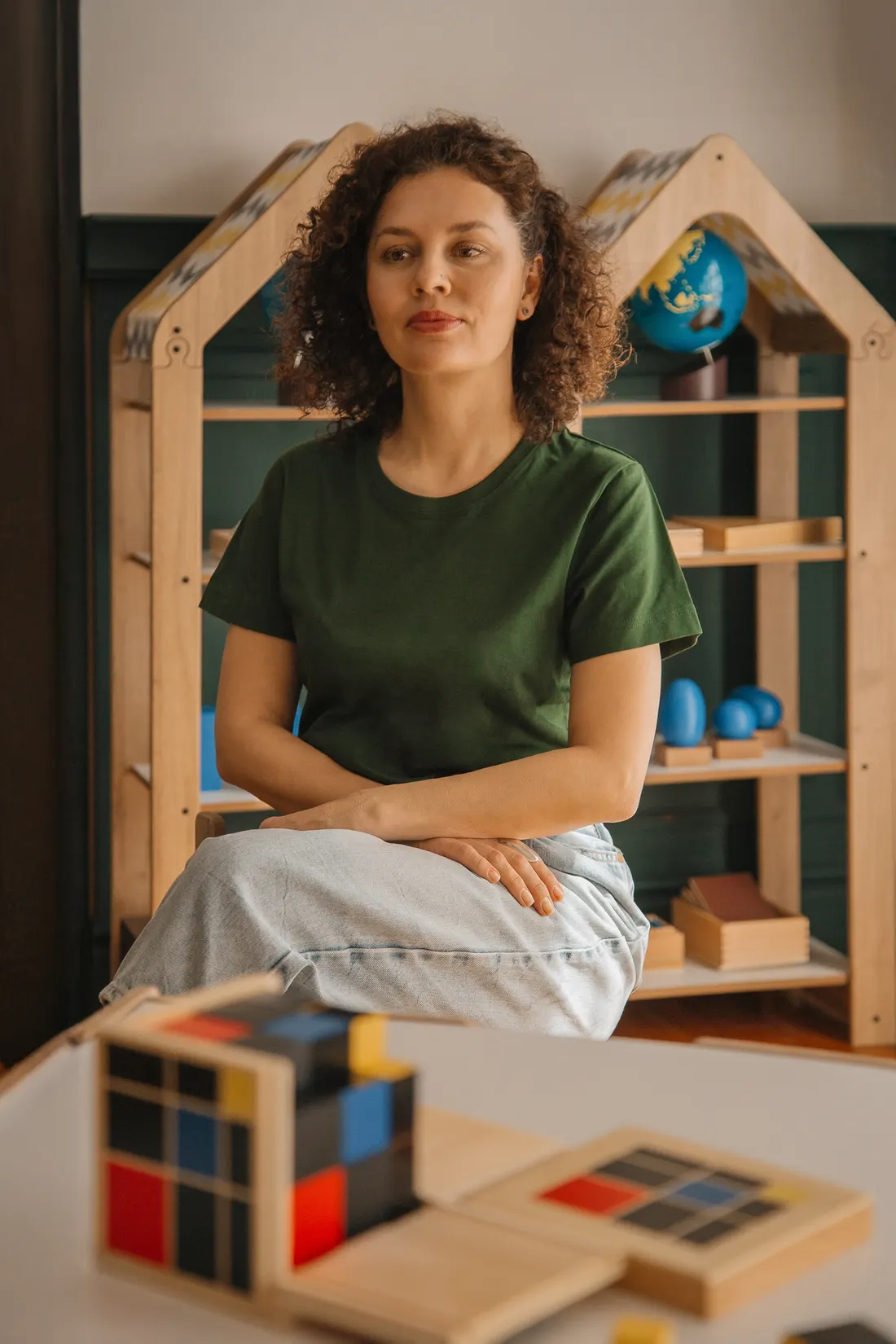
At CATBRIDGE, Montessori principles are combined with the Molivko educational system, which meets the requirements of the new national educational standards and the Jolly Phonics English program, through which children learn English in a fun and effective phonics-based way.
Our program creates a balance between structured learning and free development, supporting children’s overall language, social, intellectual, and emotional growth.
The children’s daily schedule is designed so that learning new languages and engaging with books and science alternate with sports and dance, and are complemented by a variety of themed classes, studios, and workshops that change every day of the week.
There is also plenty of time for walks in the nearby parks and for lots of outdoor play on the playground in our green yard.
| 8:30-9:00 | Children’s Arrival |
|---|---|
| 9:00-9:30 | MORNING snack |
| 9:30-12:30 | MONTESSORI CYCLEAge-appropriate activities- fruit snack/outdoor play- Swimming once a week |
| 12:30-13:00 | LUNCH |
| 13:00-15:00 | REST TIME |
| 15:00-15:30 | TOILET/AFTERNOON SNACK |
| 15:30-16:30 | ADDITIONAL CLASSES |
| 16:30-17:00 | ACTIVITIES with MOLIVKO |
| 17:00-18:00 | PLAY / Pick-up time |
tuition fee
750 EUR/month
June–September
38 EUR/day
Payment is made in monthly installments at the beginning of each month or for the full academic year, 10 months, from June to September.
food fee
153 EUR/month
for all age groups
7.65 EUR/day
Payment is made at the end of each month for the previous month, based on attendance days.
materials fee
155 EUR
one-time
155 EUR/year
Payment is made once at the beginning of each year and covers all teaching aids and materials.
First age group, for the youngest
from 18 months to 3 years

Second age group, for the growing ones
from 3 to 5 years

Third age group, for the oldest
over 5 years
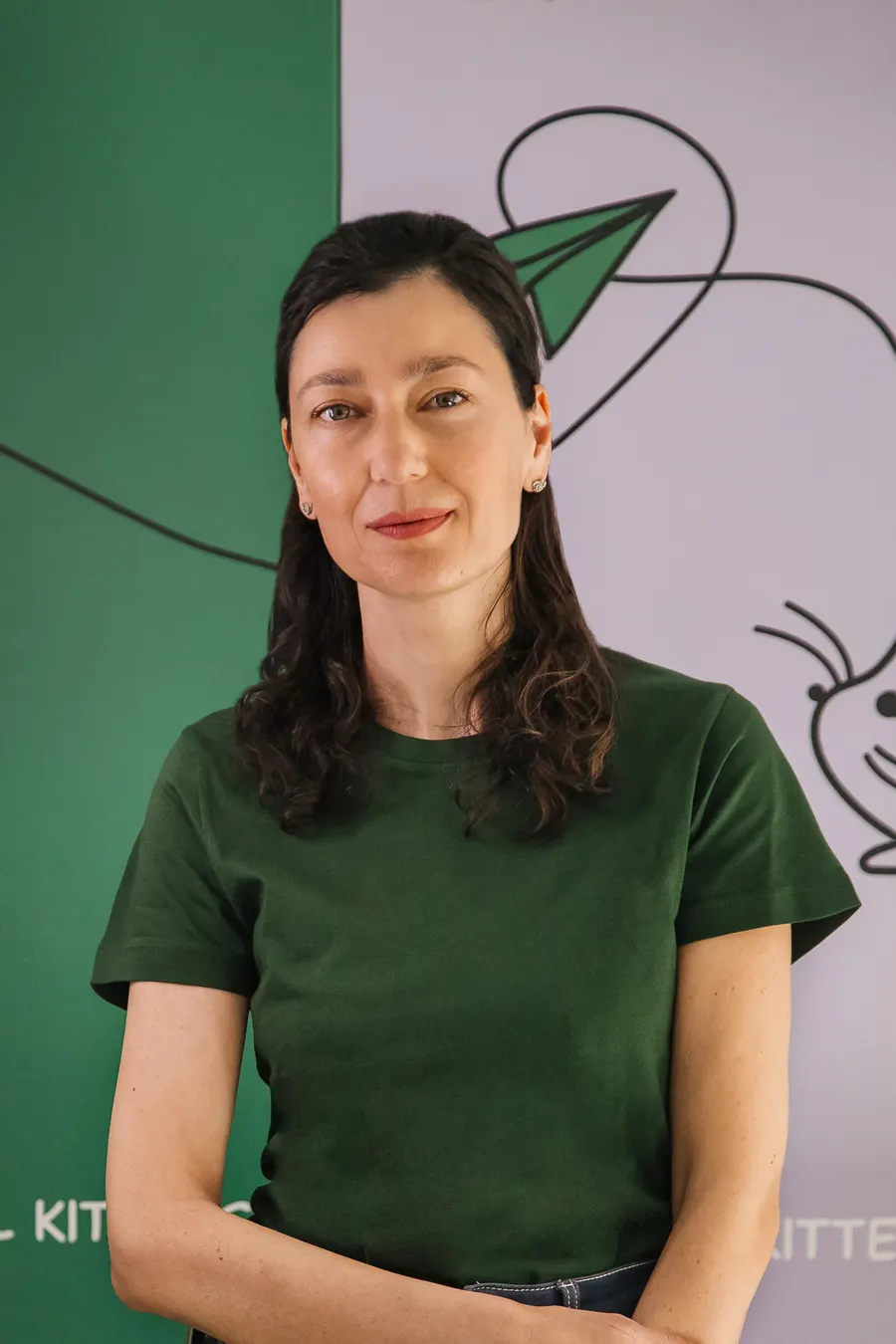
Group leader
English teacher
Kalina is a lead teacher and group leader. She has extensive experience as a PR specialist and a deep conviction that communication matters above all. After the years shared with her daughter, she decided to continue her path among children. She believes every child has talents, and that the goal of early childhood development is to discover and nurture children’s gifts and skills. She is certain that a kind word, love, patience and dialogue work wonders with children.
For Kalina, working with children is a dream come true — an almost childlike one.
“Time with little people recharges me like everything else I love — music, dancing, books, days in nature and hours with family and friends. They are happiness!”
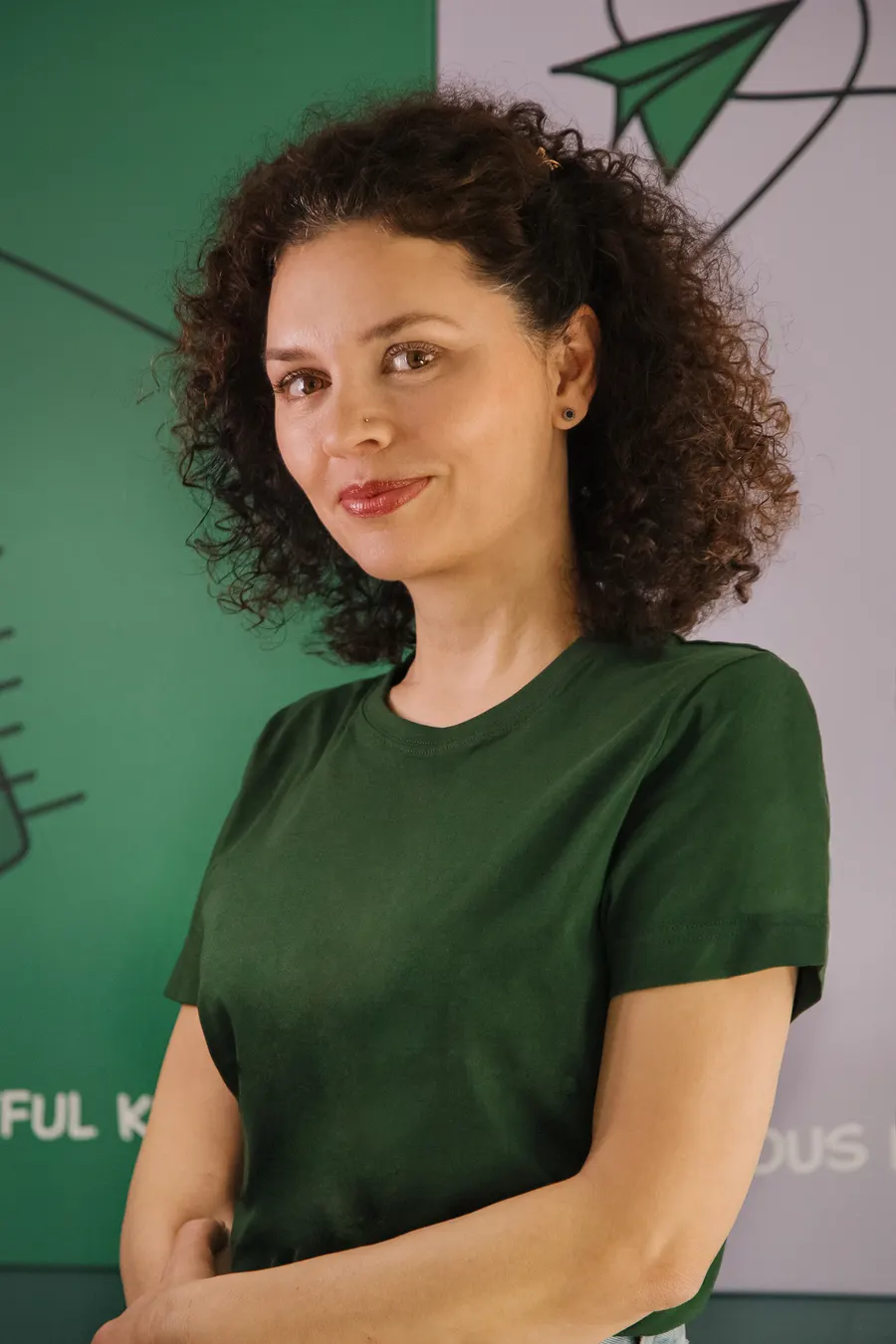
Director
Senior teacher and group leader
Miroslava is a teacher certified by AMI (Association Montessori Internationale), with experience in kindergartens, centers and educational organizations as a teacher, director, trainer and consultant. She is a specialist in early childhood development, a parent, a teacher and a person in love with the Montessori philosophy. She took part in creating one of the first Montessori schools in Bulgaria.
Mira is an unyielding spirit and fighter, who never stops marveling and looking at the world with a child’s enthusiasm.
“I see my work as a cause and I believe in the unlimited possibilities every child carries.”
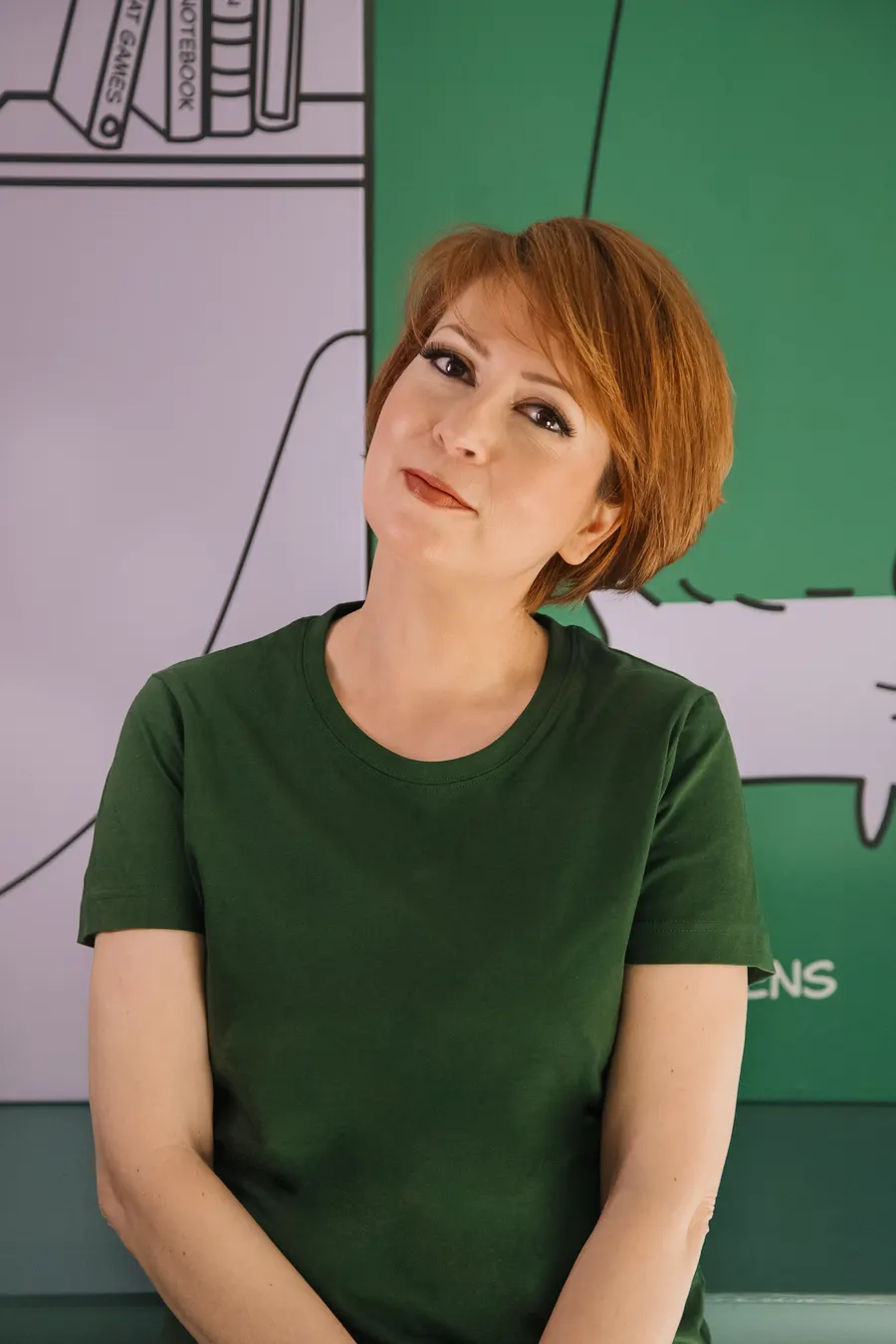
Founder and Managing Director
Founder of OreHHerO
Desislava is a PR and communications expert and an educational entrepreneur. Her path in education has led through founding and running the children’s learning and art center OreHHerO and a space for children and events, to the newest private kindergarten in Sofia — CATBRIDGE. She believes in the value of early childhood education for personal development and success.
“Every person is born with the potential for genius. There are no ‘untalented’ children, only unprepared environments. Our task as educators and parents is to build a rich and supportive environment in the very first years, so that this potential can blossom.”
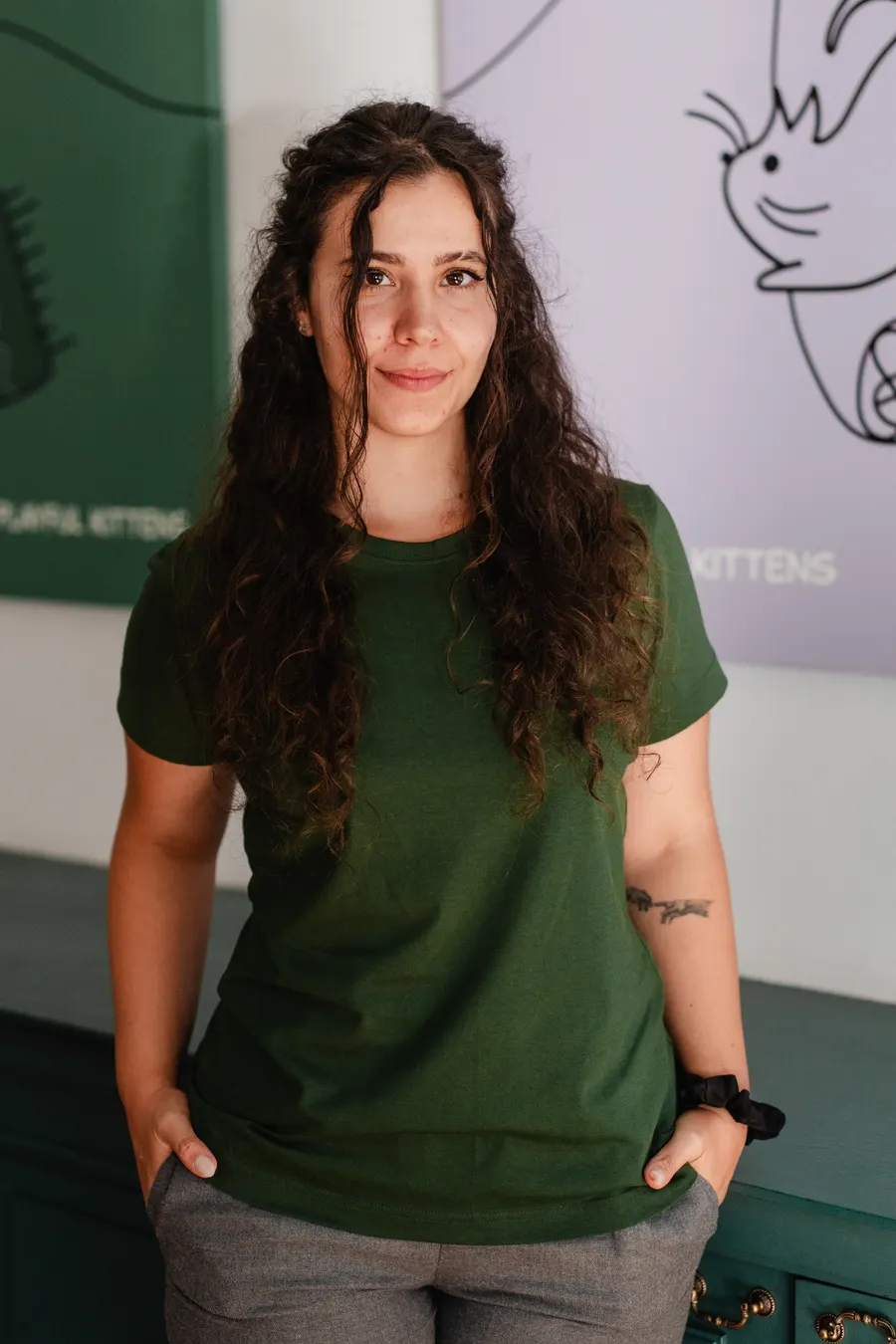
Montessori teacher
Group leader
Gabi found her calling thanks to several inspiring teachers who showed her that education was her path. Motherhood led her to the Montessori method, which she has studied and applied with love for the past two years.
“I believe that although training gives me valuable knowledge, it is my experience as a mother that is my strongest professional compass. My daughter teaches me patience every day and reminds me to approach every child with the deep empathy, respect and tenderness they deserve.”
Traditional schools mostly use a group format, where all children are expected to learn at the same time through the same educational concept. Children in the same age group spend most of their time sitting and watching the teacher present and explain the material. In a Montessori environment, children are placed in mixed-age groups with an age difference of up to three years. The classroom operates on the principle of freedom within limits. Children work with Montessori materials introduced to them by the teacher. Alongside academic learning, they learn manners and develop their social-emotional skills, cognitive abilities, critical thinking, independence, and self-reliance.
The Montessori teacher acts as a guide. They conduct individual and group activities and provide direction where needed. A large part of their time is devoted to observation and preparing the environment according to the needs of the children in the respective age group, while actively supporting their independent development. The teaching approach is indirect — the teacher neither imposes their will on the child, as in direct instruction, nor leaves the child without support. Instead, the teacher carefully follows the direction the child has chosen, the abilities and interests they show, and offers guidance to help them develop their full potential.
Each group has two teachers, one of whom is a Montessori educator, and one teaching assistant. Additional classes, swimming, as well as sessions with a speech therapist and psychologist are led by separate specialists.
For the 2026–2027 school year, the kindergarten has two age groups formed — a younger group (from 18 months to 3 years) and an older group (from 3 to 5 years). Both groups have a capacity of up to 12 children. At the moment, we do not have a group for children over 5 years old; it will be formed for the next school year, 2027–2028.
Each group has its own space for activities and rest, while the yard and shared sports area are used by all groups.
It is beneficial for all children to be in mixed-age groups. Children learn much more from other children than from adults. The older child reinforces their own skills by helping the younger one. By sharing one classroom, children learn how to live together in harmony, mutual support, and mutual respect. Encouraging them to help and learn from one another does not hinder their academic or social development.
Children coming from a Montessori environment have all the necessary skills not only to cope when moving to a traditional school, but also to thrive in it. This is supported by both their innate ability to adapt to new situations and the high level of self-motivation and independence developed in the Montessori environment.
Walks take place in nearby parks, and outings beyond the kindergarten happen only after all children have fully adapted and after parental permission has been obtained. Every day we go out to play in our own green yard.
Yes, we have a special menu for children with food allergies and specific requirements regarding particular products and foods.
The monthly fee for full-day attendance, education, and care is 750 EUR. For early enrollment, the fee is 620 EUR.
The fee includes:
- Full-day education in the main learning areas for the respective age group;
- English lessons, financial literacy activities, and healthy eating lessons based on our original program;
- Medical care.
The food fee of 153 EUR per month is not included in the monthly fee and is paid separately. A materials fee of 155 EUR is paid once a year.
Part-day attendance is available if there are open places in the group. The fee is 430 EUR, with all other conditions remaining the same.
The monthly fee is fixed for the school year period from June to September. A discount is granted only if the child is absent for more than 10 working days, and the discount amounts to -30% of the fee for the days after the tenth working day for which the kindergarten has been notified of the child’s required absence.
When a child does not want to sleep during the day, we use nap time for quiet rest without sleep, since the kindergarten day is full and a rest period during the “quiet hour” is important for everyone. During this time, calmer and quieter activities are held: board games, reading fiction, creative work, and play.
The additional activities outside the fee are:
- Swimming at the Son Stefano Plaza pool
- Fit Kids - sports activities with Nikola
- Dance and gymnastics with Margi
- Music, rhythm, and self-expression with Konstantin
- Fun Science with Bio Games
- Draw and Play English Class with Linda
- Music Explorers with Vladi
Each activity lasts up to 50 minutes and is paid additionally, at 10 EUR per visit at the end of each month, according to the number of attended sessions.
Children who do not take part in the additional activities stay with their teacher and continue their work on the day’s program.
The required admission documents are:
- Personal information about the child and contact details for the parents;
- A copy of the child’s birth certificate.
- A health record completed by the child’s personal doctor.
- A one-time negative result from a microbiological stool test.
- A one-time negative result from a test for intestinal parasites:
- stool test for helminths and protozoa;
- perianal tape test for pinworms.
* The tests must be performed no later than 15 days before the child starts attending the kindergarten.
- Blood and urine tests performed one week before admission.
- A medical note confirming no contact with a person with a contagious disease, issued by the child’s personal doctor no earlier than 3 days before admission.
Yes, we have a nurse who is responsible for the entrance health check, as well as for the children’s health records, and who monitors their health status and physical development.
Parents interested in our kindergarten and wishing to enroll their child at CATBRIDGE are kindly invited to first schedule an introductory meeting.
To do so, please send an inquiry through the “Request a meeting” form or call 0888 242 217.